
Helical Piles vs. Poured Concrete Deck Footings: Building a Solid Foundation
When you finally decide to expand your outdoor living space, the excitement is usually focused on the layout, the type of decking boards, and where the barbecue will go. But as any experienced general contractor will tell you, the most important part of your new deck is the part you will never actually see: the foundation. Here in Ottawa, our dramatic seasonal changes and harsh winters mean that a deck is only as good as the footings holding it up.
If a foundation isn't perfectly executed, the relentless freeze-thaw cycles of our climate can lead to severe frost heave. This shifting soil can twist your deck frame, pop your decking boards, and ultimately create an unsafe, uneven surface that requires costly repairs. To prevent this, homeowners face a critical choice at the very beginning of their project: should you use traditional poured concrete deck piers, or modern engineered screw piles?
At Saywood Construction, we believe in giving our clients all the information they need to make the best decisions for their homes. Both methods have their place in modern residential construction, but they offer very different experiences when it comes to installation timelines, mess, and long-term durability. In this guide, we will break down the debate between helical piles vs poured concrete deck piers, so you can choose the right foundation for your upcoming deck installation.
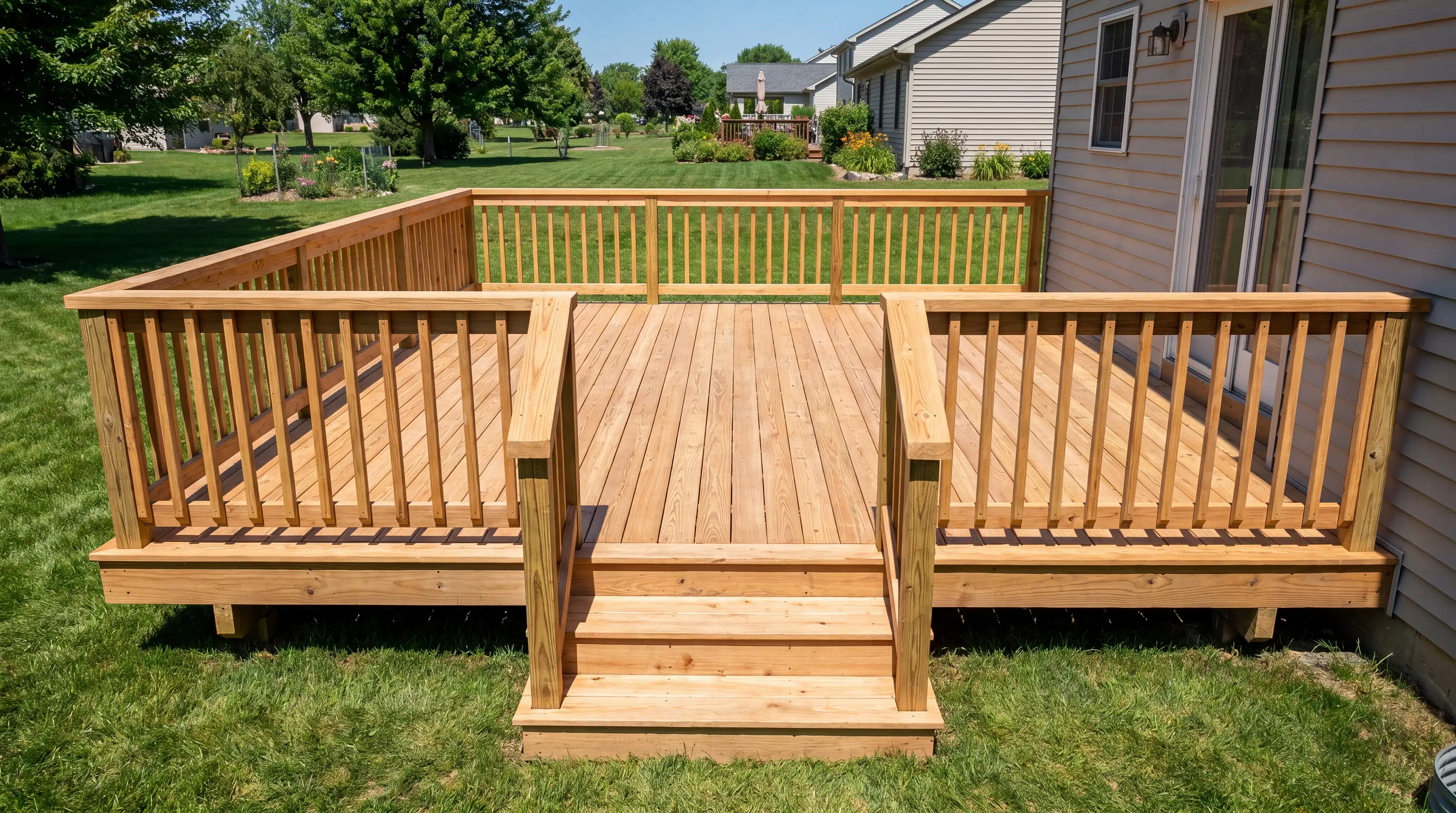
The Traditional Standard: Poured Concrete Deck Piers
For decades, poured concrete has been the undisputed standard for deck foundations. The process involves digging large holes in your backyard, inserting cylindrical cardboard building tubes (commonly known as Sonotubes), and filling them with wet concrete. Heavy metal brackets are then set into the top of the wet concrete to eventually hold the wooden support posts of your deck.
The most critical rule when using this method is installing deck foundations below frost depth. In our region, the frost line sits deep in the soil during the peak of winter. If the concrete pier does not extend completely below this line, the expanding frozen soil will grab the concrete and push it upward, leading to a warped deck. When done correctly by a meticulous team, a poured concrete foundation is incredibly strong, durable, and capable of supporting immense weight.
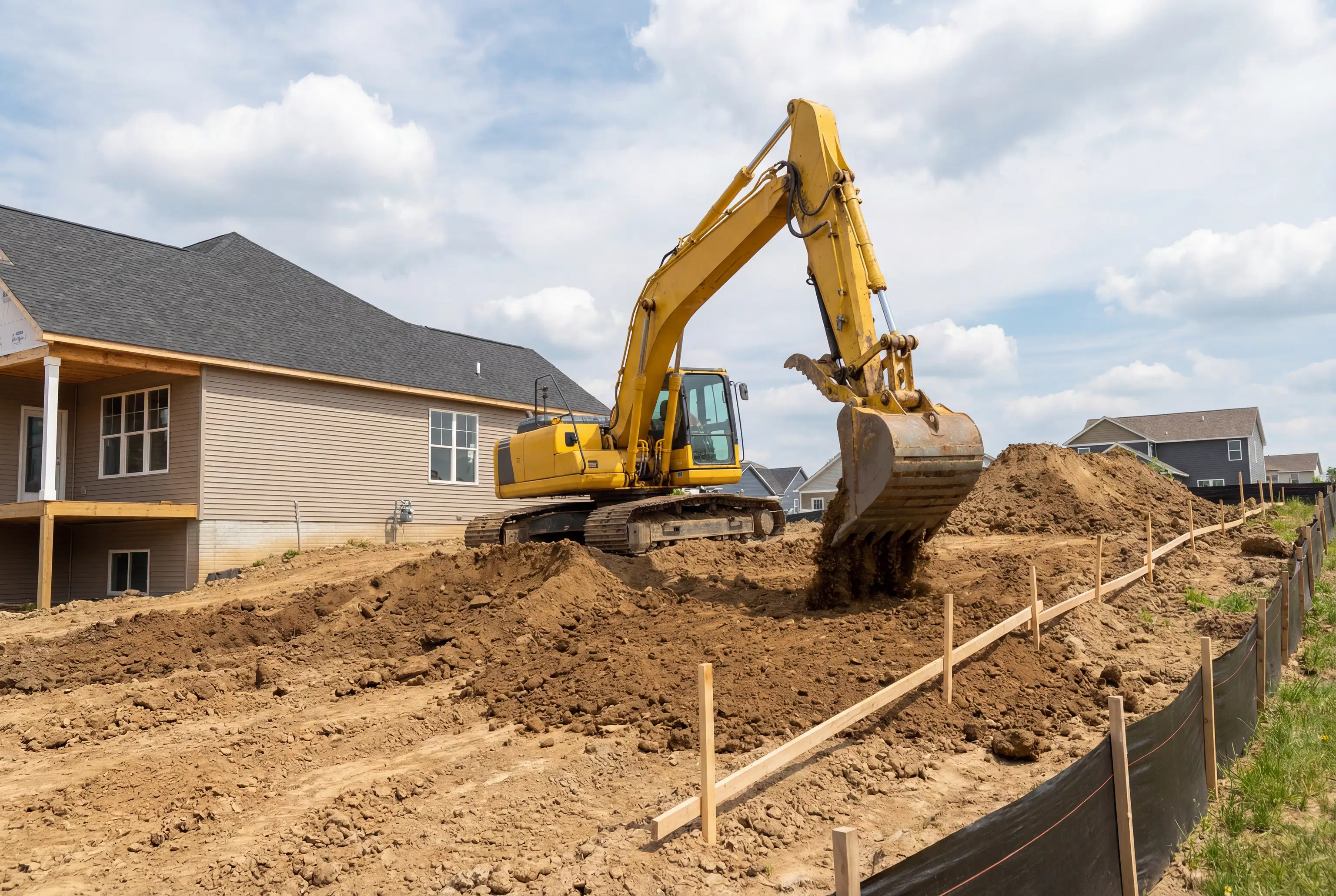
However, concrete does come with a few notable drawbacks, primarily related to logistics and time. Digging deep holes displaces a significant amount of dirt that must be moved or hauled away, temporarily turning your yard into a messy construction site. Furthermore, concrete requires time to cure properly before it can bear any weight. In an industry already dealing with skilled labor shortages and supply chain delays, waiting days for concrete to dry can slow down your project timeline. Additionally, concrete cannot be poured if the ground is already frozen, which significantly limits outdoor construction during our long winters and forces projects to be crammed into a tight summer window.
The Modern Innovation: Engineered Screw Piles for Residential Decks
As building technology evolves, so do the methods we use to deliver efficient, high-quality results. Engineered screw piles for residential decks—often called helical piles—are a brilliant innovation that solves many of the pain points associated with traditional concrete.
A helical pile is essentially a massive, galvanized steel screw. Instead of digging a hole and pouring concrete, specialized hydraulic machinery simply drives the steel pile directly into the earth until it reaches the required load-bearing depth and sits well below the frost line. The large helical blades at the bottom of the pile anchor it firmly into the soil, completely resisting the upward pull of frost heave.
The advantages of this system are substantial. First and foremost, there is zero curing time. The moment a helical pile is driven into the ground, it is ready to support the full weight of a deck frame. This allows your building team to start framing immediately, keeping your project moving swiftly and respecting your time. Secondly, the installation is remarkably clean. Because the piles are spun into the earth rather than dug into it, there is virtually no displaced soil to clean up, preserving your landscaping.
Helical piles can also be installed in almost any weather condition, including during the freezing winter months. This is a game-changer for homeowners who want to get a head start on their backyard renovations before the spring rush. Of course, driving steel deep into the ground requires careful planning. As a responsible builder, we always coordinate with local utility companies to identify buried gas or hydro lines long before the first pile is turned, ensuring a safe and fully compliant job site. You can read more about this crucial safety step in our guide on contacting Ontario One Call.
Navigating Permits, Costs, and Choosing the Right Contractor
Whether you opt for concrete piers or helical piles, a structurally sound deck requires proper planning, transparent pricing, and strict adherence to provincial building codes. Homeowners frequently ask us who is responsible for obtaining building permits. When you work with Saywood Construction, we manage the entire permit process from start to finish. We ensure that all engineering specifications, whether for concrete footing widths or the torque requirements of steel piles, meet or exceed municipal standards.
Cost is always a major consideration. Poured concrete is often slightly cheaper in terms of raw materials, but the extended labor hours required for digging, pouring, and waiting can offset those savings. Helical piles have a higher upfront material cost, but the dramatically reduced labor time and the ability to avoid landscaping damage often make them a highly cost-effective choice in the long run.
Ultimately, the success of your deck depends less on the material holding it up and more on the integrity of the team installing it. It is essential to choose a partner who maintains active WSIB coverage, carries proper liability insurance, and guarantees their craftsmanship. A reputable company won't just give you a vague estimate; they will provide a detailed, fixed-price contract that clearly outlines the foundation strategy tailored to your specific yard's soil conditions.
Making the Final Decision for Your Backyard
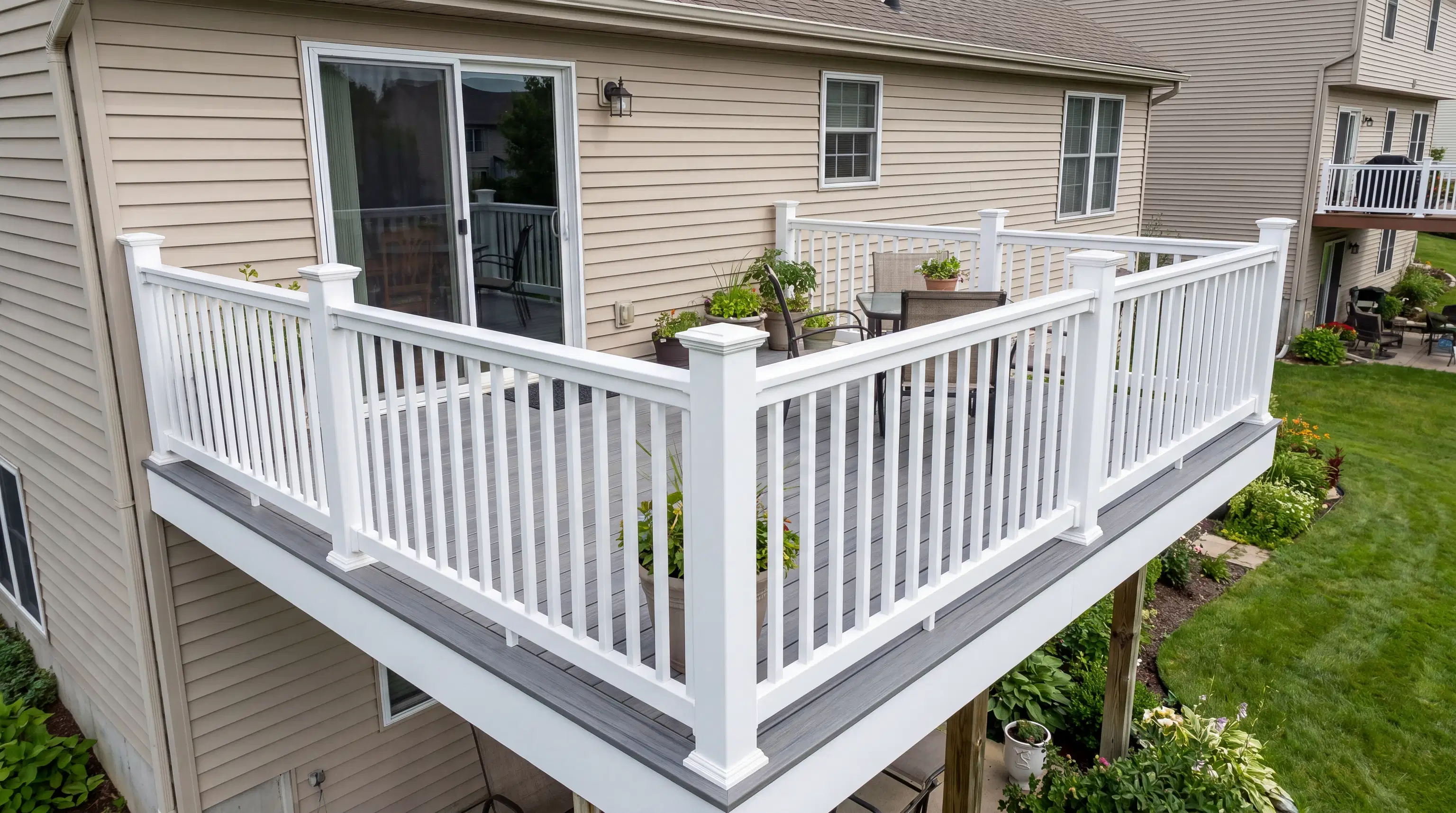
Upgrading your home with a custom deck is a significant investment in your family's quality of life and your property's value. While traditional poured concrete offers tested and undeniable strength, the speed, cleanliness, and winter-friendly nature of engineered helical piles make them an increasingly popular choice for modern renovations.
The right choice depends on your specific property grade, soil composition, and project timeline. As your local general contractor in Ottawa, Saywood Construction is here to evaluate your unique space and recommend the perfect foundation to ensure your deck remains perfectly level for decades to come.
Ready to transform your backyard with a beautiful, expertly built deck? Contact us today to schedule a consultation and take the first step toward a flawless outdoor living space.