
Future-Proof Your Home: A Guide to Aging in Place with Style in Ottawa
Your home is more than just a building; it’s a collection of memories, a place of comfort, and the centre of your family’s life. As we get older, the thought of leaving a cherished home can be daunting. The good news is that with thoughtful planning, you don’t have to. Aging in place—the ability to live in one’s own home safely, independently, and comfortably, regardless of age or ability level—is becoming a priority for many Ottawa homeowners. It’s about making proactive, empowering choices to ensure your home continues to support you for years to come.
This isn’t about creating a clinical, hospital-like environment. It’s about smart, stylish design that enhances both safety and aesthetics. From a simple grab bar to a full bathroom renovation, these modifications are an investment in your future independence and peace of mind. In this guide, we’ll explore the most impactful changes you can make, focusing on the key areas that will help you or your loved ones live comfortably and securely at home.
The Bathroom: The Heart of Accessible Design
The bathroom is one of the most used rooms in any house, but its combination of hard surfaces and water makes it a high-risk area for slips and falls. That’s why it’s often the first and most critical space to address when planning for the future. A well-designed accessible bathroom seamlessly blends safety features with modern style.
Key modifications include:
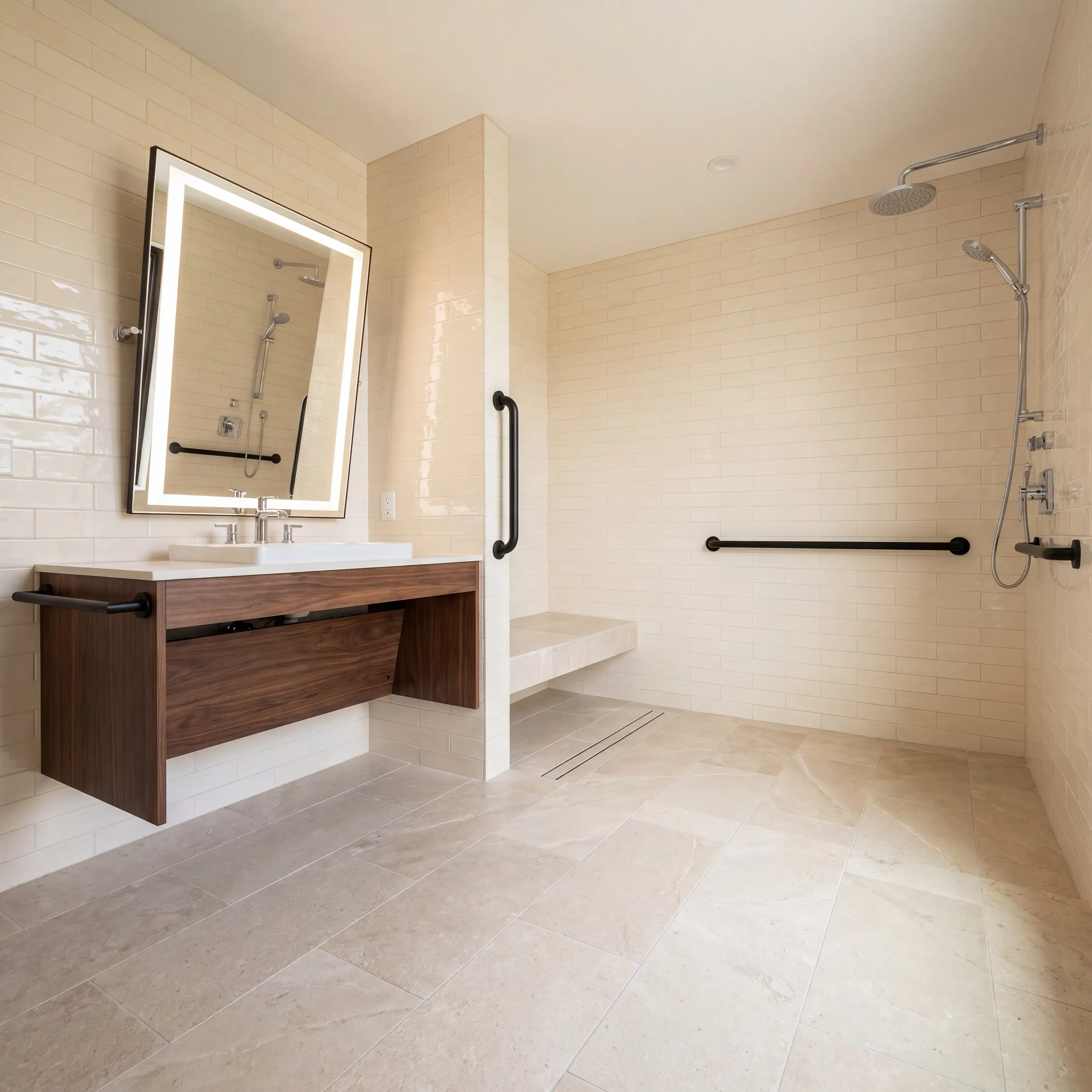
- Curbless or Walk-In Showers: Removing the curb or threshold to a shower is perhaps the single most important change you can make. It eliminates a major trip hazard and allows for easy walker or wheelchair access. These showers can be equipped with a comfortable built-in bench, a handheld showerhead, and strategically placed grab bars, creating a safe and spa-like experience.
- Stylish Grab Bars: Forget the institutional-looking grab bars of the past. Today’s options come in a variety of finishes and styles that can double as towel racks or shelving, integrating perfectly with your décor while providing crucial support where you need it most—near the toilet, in the shower, and by the tub.
- Comfort-Height Toilets: A toilet that is a few inches taller than the standard height can make a significant difference, reducing strain on the knees and back when sitting down and standing up.
- Non-Slip Flooring: Choosing the right flooring is essential. Modern textured porcelain or ceramic tiles offer excellent grip without sacrificing style. This is especially important for preventing falls on wet surfaces.
- Lever-Handle Faucets and Doors: For those with arthritis or limited hand strength, swapping traditional knobs for lever-style handles on sinks and doors makes them much easier to operate.
Beyond the Bathroom: Creating a Safer Home Environment
While the bathroom is a crucial starting point, a truly accessible home considers ease of movement and safety throughout. Thoughtful interior renovations can transform your entire living space, making daily life easier and more enjoyable.
Consider these modifications for other key areas of your home:
- Wider Doorways and Hallways: Standard doorways can be too narrow for walkers or wheelchairs. Widening them to at least 34-36 inches creates a clear, accessible path between rooms.
- Clear Pathways: Ensuring hallways and main living areas are free of clutter, loose rugs, and unnecessary furniture is a simple but effective way to prevent trips and falls.
- Improved Lighting: Good lighting is a cornerstone of home safety. This includes adding task lighting in the kitchen, ensuring stairways are well-lit from top to bottom, and installing easy-to-use rocker-style light switches.
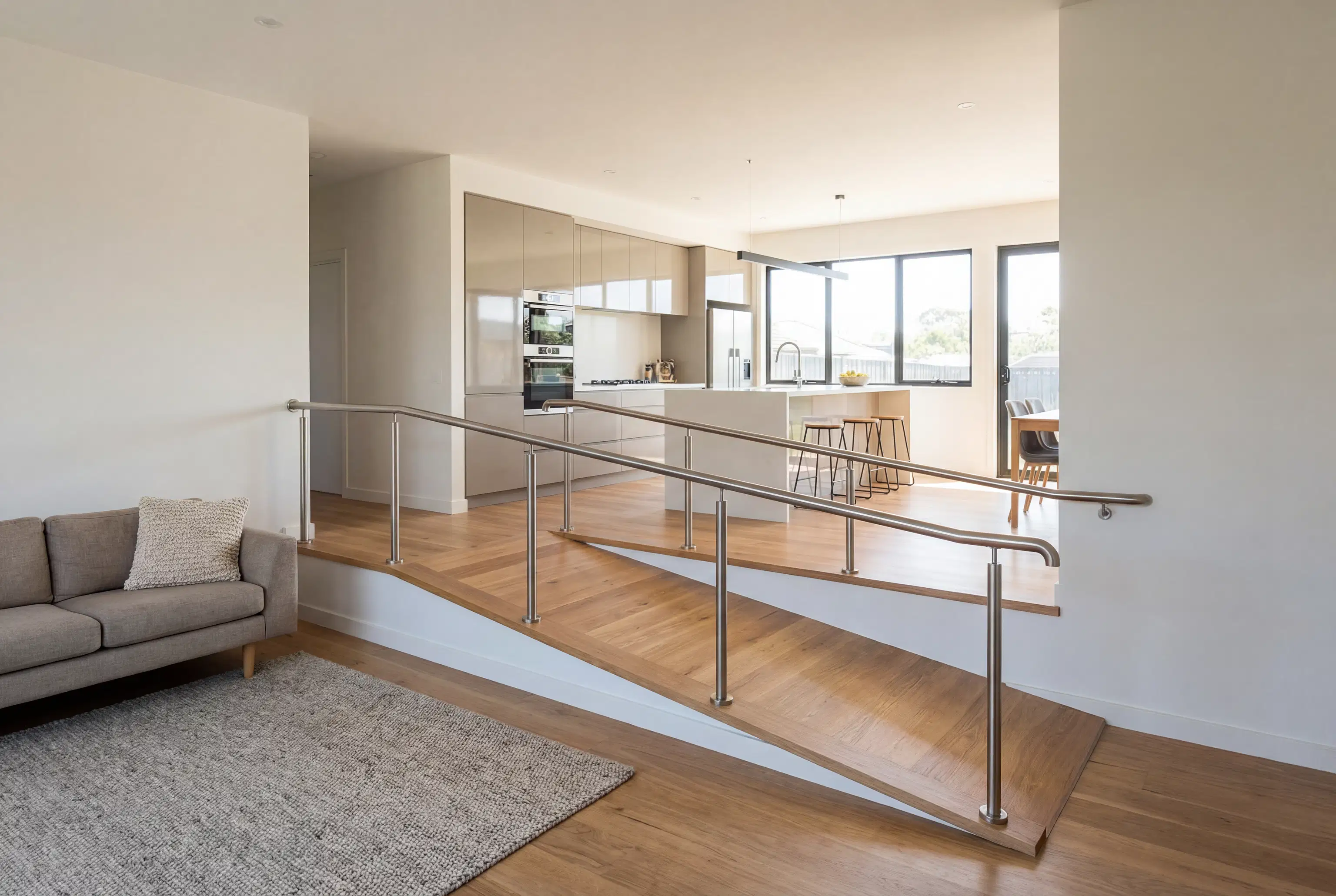
- Accessible Entrances: Navigating stairs can become a challenge over time. Creating at least one no-step entrance to your home, whether through grading or a stylish, low-profile ramp, ensures you can always get in and out safely.
- Kitchen Upgrades: Simple changes in the kitchen can make a world of difference. Think about installing pull-out shelving in lower cabinets, choosing a side-opening oven, or creating a multi-level countertop with a lower, seated-height section for food prep.
Planning Your Renovation: What Ottawa Homeowners Should Know
Embarking on an accessibility-focused renovation is a significant undertaking, and it’s important to partner with a contractor who understands the unique requirements. A successful project hinges on trust, transparency, and a deep knowledge of local building practices.
One of the first questions homeowners ask is about permits. Major structural changes, such as widening a load-bearing doorway or significant plumbing and electrical work for a bathroom remodel, will likely require a building permit from the City of Ottawa. A professional, licensed general contractor will manage this entire process for you, ensuring all work is done to code and meets the highest safety standards. This addresses a major pain point for homeowners who fear unreliable contractors and provides peace of mind that the job is done right.
It’s also important to remember that these renovations are an investment. They not only enhance immediate safety and quality of life but can also increase your home's long-term value by appealing to a broader range of future buyers. Whether you're in a heritage home in The Glebe or a suburban house in Barrhaven, accessible design can be beautifully integrated without compromising your home's character.
Stay in the Home You Love, Safely and Comfortably
Making the decision to modify your home for the future is a powerful step towards maintaining your independence. By focusing on key areas like the bathroom and improving overall accessibility, you can create a safe, comfortable, and stylish environment that will serve you well for many years.
Thinking proactively about these changes allows you to incorporate them thoughtfully into your home's design, ensuring function and beauty go hand-in-hand. If you’re ready to explore how to make your Ottawa home safer and more accommodating for the future, we’re here to help.
Contact Saywood Construction today for a professional consultation. Let's discuss how our expertise in bathroom renovations, interior renovations, and even home additions can help you create the perfect home for aging in place. Get in touch with our team to get started.