
Adding Up: A Homeowner's Guide to Planning a Second Story Addition in Ottawa
Your home was perfect when you bought it, but life changes. Families grow, work-from-home becomes the new normal, and suddenly you're dreaming of more space. For many homeowners in Ottawa, moving isn't the ideal solution. You love your neighbourhood, your yard, and your community. So, what's the alternative? Building up.
A second-story addition can transform your home, providing the extra bedrooms, bathroom, or office space you desperately need without sacrificing your property. While it's one of the most complex and rewarding home renovation projects you can undertake, the key to success lies in meticulous planning. This guide will walk you through the essential steps, from initial feasibility checks to choosing the right team to bring your vision to life.
Step 1: Determining Feasibility—Can Your Home Handle It?
Before you start picking out paint colours, the first and most critical step is to determine if your home can structurally support a second level. This isn't a simple DIY assessment; it requires professional expertise.
-
Foundation and Structure: An engineer will need to evaluate your home's existing foundation and framing. The original structure was designed to support a specific load, and adding an entire new floor significantly increases that weight. The engineer will determine if the foundation needs reinforcement or if the main floor's framing can carry the new load. This initial investment is crucial for ensuring the safety and longevity of your home.
-
Zoning and Municipal Regulations: Every municipality has rules, and it's vital to understand them early on. The City of Ottawa bylaws dictate things like maximum building height, property line setbacks, and total lot coverage. An experienced local contractor will be familiar with these regulations and can help you understand how they apply to your property, preventing costly redesigns down the road. This step ensures your project is compliant from day one, avoiding potential fines or work-stoppage orders.
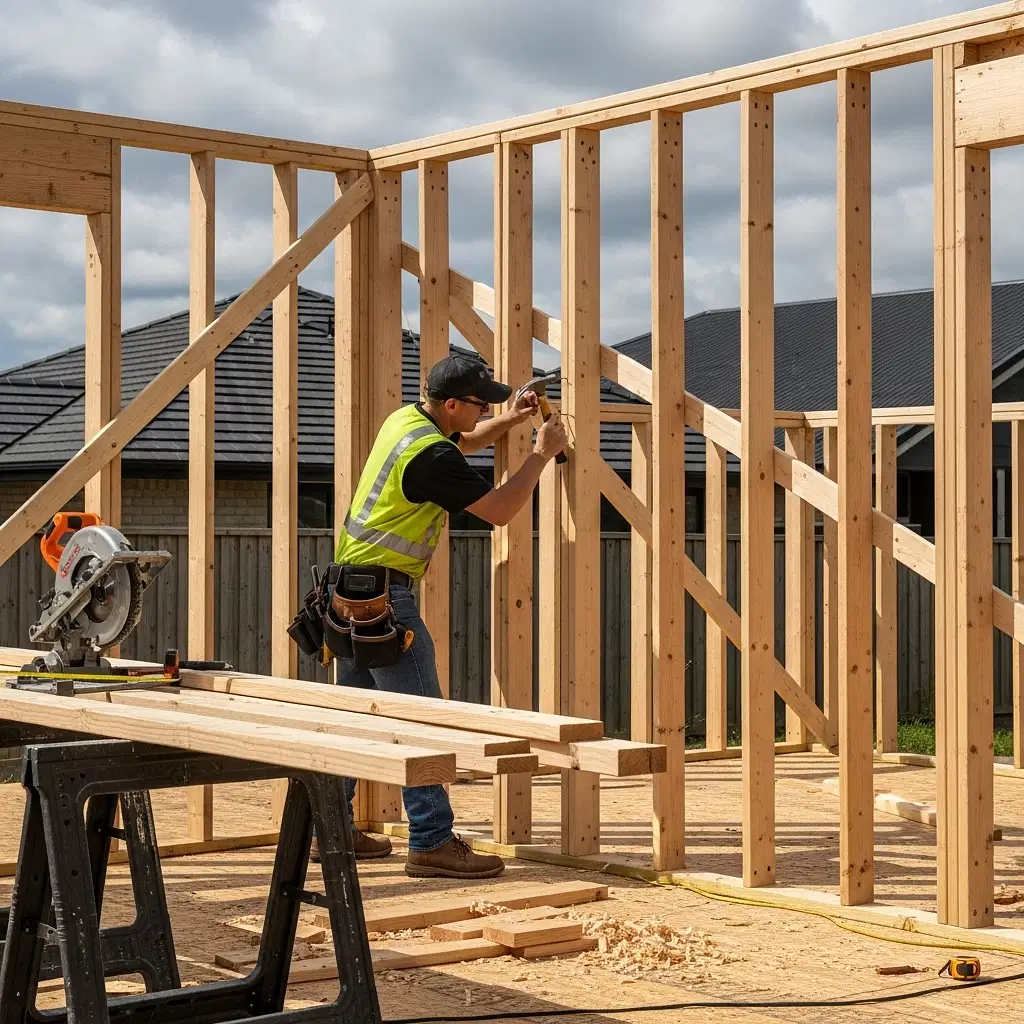
Step 2: The Design and Planning Phase
Once you've confirmed a second story is feasible, the creative process begins. This is where you translate your needs and dreams into a functional, buildable plan. A successful design phase hinges on clear communication and collaboration between you, your designer or architect, and your general contractor.
-
Defining Your Vision: How will you use the new space? Are you adding a master suite with an ensuite bathroom, a pair of kids' bedrooms, or a dedicated home office? Consider the flow of the entire house. How will the new staircase integrate with the existing main floor? A well-thought-out layout is essential for both functionality and the overall aesthetic of your home.
-
Assembling Your Team: For a project of this scale, you'll need architectural plans. Many homeowners find a design-build firm to be an efficient choice, as the design and construction teams work together from the start. This integrated approach streamlines communication, helps manage the budget effectively, and minimizes potential conflicts between the design and the realities of construction.
-
Material and Finish Selections: Your choice of materials—from roofing and siding to windows and flooring—will significantly impact both the project's final cost and its timeline. This is also an opportunity to incorporate modern, high-performance options. Driven by rising energy costs, many homeowners are choosing energy-efficient windows, superior insulation, and sustainable materials to lower their long-term utility bills and create a more comfortable living environment. A knowledgeable contractor can guide you toward choices that offer the best value and performance.
Step 3: Navigating Permits and the Construction Process
With a solid plan in hand, it's time to move toward the construction phase. This involves securing the necessary approvals and preparing for the work ahead. A seasoned general contractor is your most valuable asset here, managing the complex logistics so you don't have to.
-
The Building Permit: A second-story addition absolutely requires a building permit from the City of Ottawa. The application process is detailed, requiring complete architectural drawings, structural engineering reports, and other documentation. One of the biggest advantages of hiring a professional contractor is that they handle the entire permit acquisition process. This not only saves you time but also ensures all paperwork is filed correctly, preventing delays.
-
What to Expect During the Build: Your contractor should provide a detailed project timeline, outlining each phase from demolition to finishing touches. They should also have a clear plan for managing site safety, cleanliness, and minimizing disruption to your family and neighbours. Depending on the scope of the project, you may need to arrange for alternative living accommodations for a portion of the construction, particularly when the roof is removed and the new floor is being integrated.
-
Managing the Unexpected: Even with the best planning, unforeseen challenges can arise. Supply chain disruptions can delay materials, or opening up walls might reveal unexpected structural or electrical issues. An experienced contractor anticipates these possibilities and has the problem-solving skills to address them efficiently, keeping you informed and the project on track.
Finding the Right Partner for Your Project
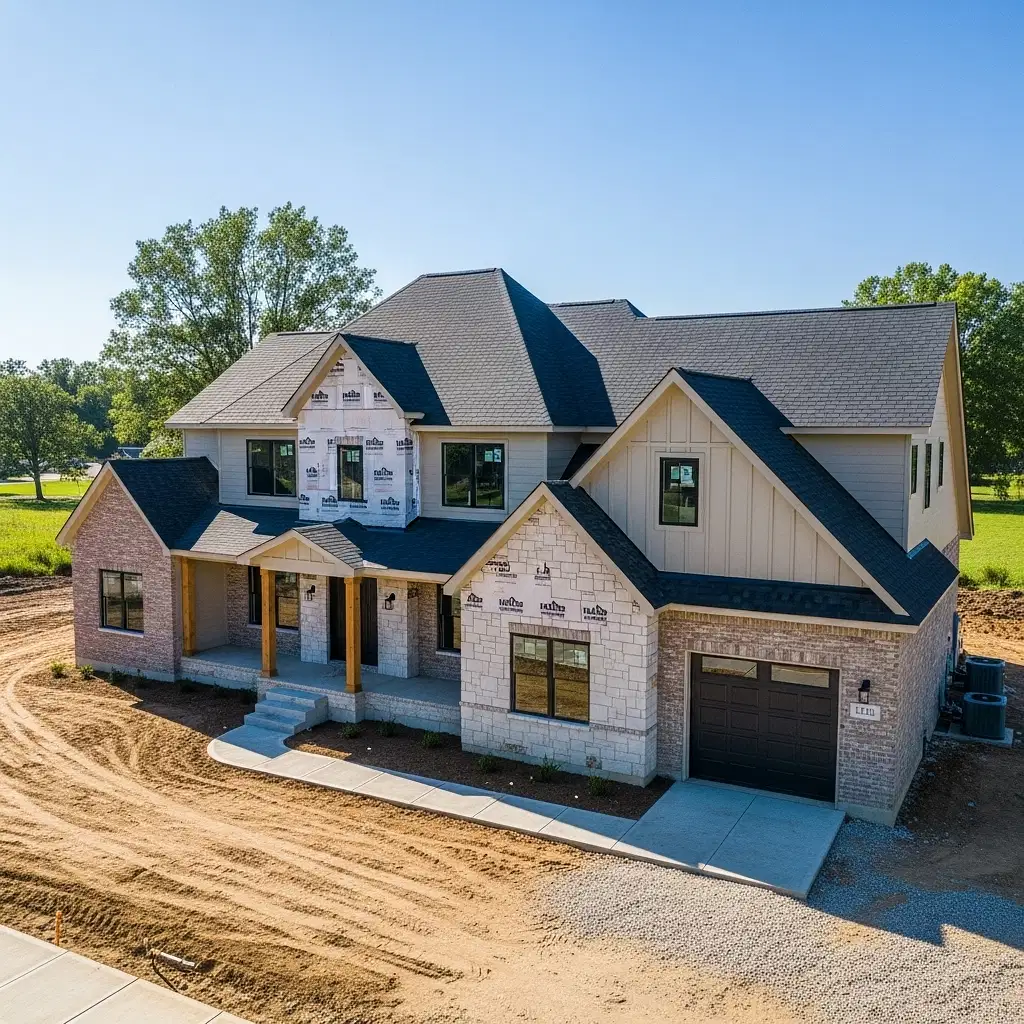
Choosing the right general contractor is the single most important decision you'll make for your second-story addition. You're not just hiring someone to build; you're entrusting them with your home and a significant financial investment. Look for a team that prioritizes quality, transparency, and communication.
An experienced contractor will have a portfolio of similar home additions and be able to walk you through their process from start to finish. They should be fully licensed, carry comprehensive insurance, and provide a detailed, transparent quote. Most importantly, they should be a partner you can trust to guide you through the complexities of the project with professionalism and expertise.
Ready to explore the potential of adding a second story to your Ottawa home? The team at Saywood Construction has the experience to guide you through every step, from initial concept to final walkthrough. We specialize in creating beautiful, functional spaces that meet the evolving needs of our clients. Contact us today to discuss your home addition or major interior renovation project.